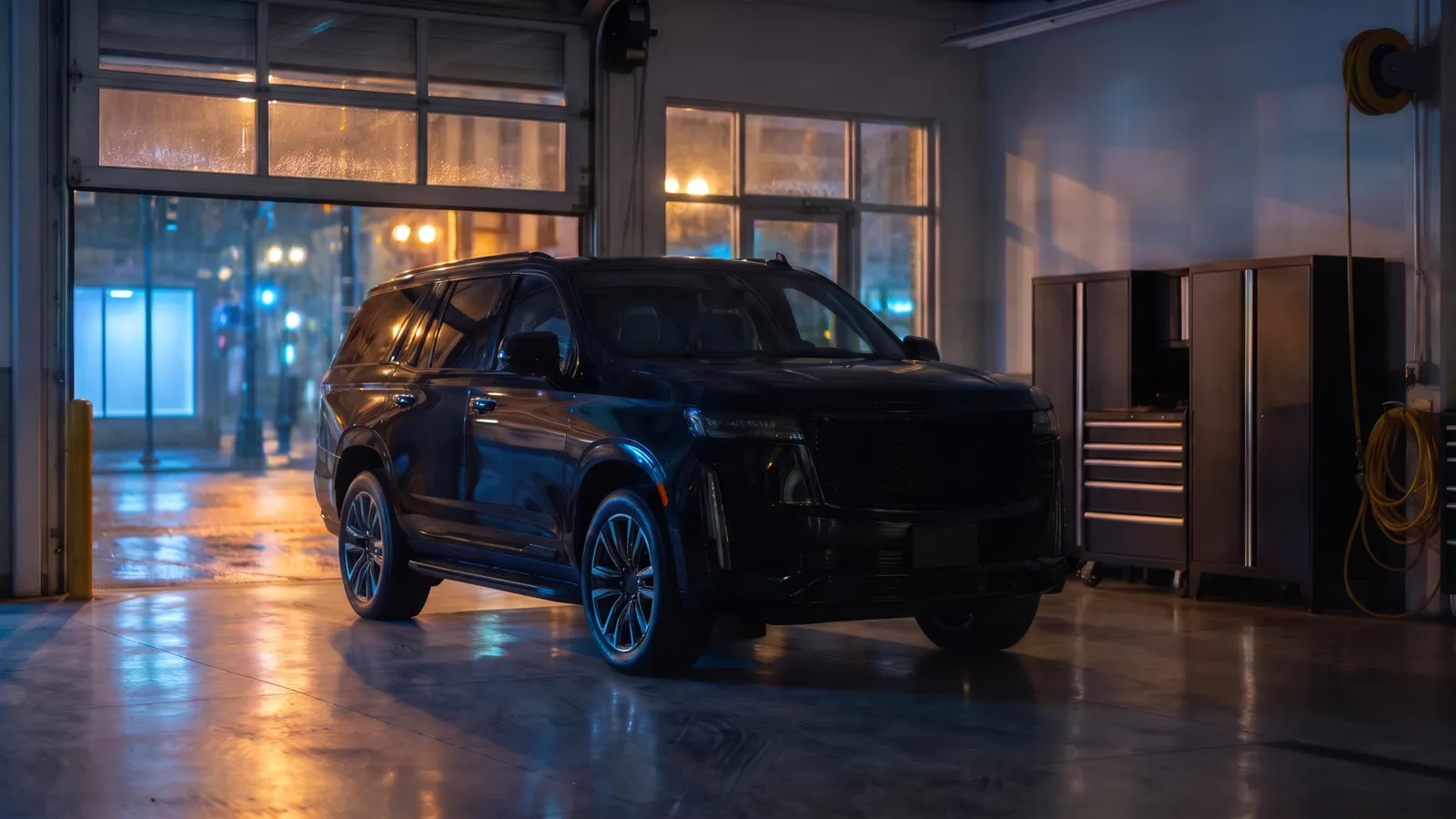
Green Chauffeured Transport: The Electric Revolution in Executive Travel
Electric chauffeured transport for executive travel: benefits, EV fleet savings, charging logistics, range and CSR value for limo and livery operators.

On this page
- How Is Electric Power Changing Executive Mobility?
- Why Is Sustainability Now an Executive Priority?
- Beyond Luxury: The Promise of Electric Chauffeured Services
- The Core Advantages: Why Executive Travel Is Electrifying
- What Do Modern EVs Bring to the Executive Experience?
- What Does It Take to Adopt Electric Chauffeured Transport?
- What Is the ROI of Green Transport Beyond Direct Savings?
- What Challenges Remain on the Road to a Fully Electric Fleet?
- What Should You Look For in an EV Chauffeured Service?
- Bottom line: Embracing the Future of Executive Travel
- Frequently Asked Questions
Quick answer: Green chauffeured transport uses battery-electric vehicles instead of gas-powered cars to move executives. It delivers zero tailpipe emissions, a near-silent ride, and lower fuel and maintenance costs per mile. For limo and livery operators, an all-electric fleet supports corporate sustainability goals, and modern EV ranges plus fast charging make it practical for most executive routes.
How Is Electric Power Changing Executive Mobility?
Executive mobility is shifting from the hum of internal combustion engines to the quiet power of electric vehicles. Environmental awareness, better technology and growing demand for sustainable luxury are driving the change. For businesses and executives, green chauffeured transport is becoming a strategic priority: it improves the passenger experience, lowers costs and makes a visible statement about corporate responsibility.
This article covers the core benefits, the technology, the operational practicalities and the strategic implications of electric executive travel.
Why Is Sustainability Now an Executive Priority?
 Multiple forces, from investor pressure to brand reputation, are reshaping corporate priorities and driving the strategic shift towards sustainable executive transport.
Climate concerns have changed corporate priorities. Businesses increasingly see their environmental impact as tied to brand reputation, investor relations and client trust, so they want sustainability in every part of the operation, including executive travel. Shareholders, employees, clients and regulators all scrutinize environmental performance more closely than before.
As a result, companies are looking for ways to cut their carbon footprint and show a tangible commitment to environmental stewardship. This shift is about more than compliance. It aligns corporate values with global priorities and projects a responsible image, and for many companies the choice of luxury transportation now depends on its environmental impact.
Beyond Luxury: The Promise of Electric Chauffeured Services
The perception of luxury transportation is changing. Luxury once meant opulence, power and the sound of a high-performance internal combustion engine. Electric vehicle technology has introduced a new kind of sophistication.
Electric chauffeured services offer more than eco-friendliness: exceptional quietness, smooth acceleration and a vibration-free ride. Luxury travel can now be both indulgent and environmentally responsible, with a calm cabin that traditional vehicles could not match.
The Core Advantages: Why Executive Travel Is Electrifying
Electric chauffeured transport offers advantages in three areas that matter to modern executive travel: environmental stewardship, passenger experience and economic efficiency.
How Do EVs Reduce Environmental Impact?
The most significant benefit of electric vehicles is their sharply reduced environmental impact. Unlike vehicles with an internal combustion engine, electric vehicles produce zero tailpipe emissions. That means cleaner urban air and less contribution to smog and respiratory health problems.
EVs also help curb greenhouse gas emissions, a primary driver of climate change. By replacing combustion vehicles with electric cars, businesses can lower their carbon footprint and contribute to global efforts to reduce carbon emissions. Studies suggest that full electrification of rideshare fleets, a close relative of chauffeured services, could cut greenhouse gas emissions by up to 45% [ACS, 2023]. That tangible reduction is a powerful motivator for companies committed to sustainability.
What Makes the Electric Ride So Quiet and Refined?
The passenger experience is a hallmark of modern luxury transportation. With no combustion engine, an EV runs almost silently and keeps the cabin calm. This “whisper-quiet” ride reduces noise pollution and lets executives take calls, do focused work or relax without the rumble and vibration of traditional vehicles.
Instant torque from electric motors also gives smooth, responsive acceleration and deceleration. That peace and quiet turns the journey into a productive or restful interlude, a crucial element of high-end luxury travel.
How Much Can Operators Save by Switching to EVs?
Beyond the environmental and passenger benefits, electric vehicles offer real economic advantages for chauffeured service providers. Electricity is generally cheaper than gasoline or diesel, which lowers “fuel” expenses.
EVs also have fewer moving parts than combustion vehicles, so maintenance costs drop. There are fewer fluids to change and no exhaust systems to repair, and regenerative braking often reduces brake wear.
Governments worldwide also offer incentives, including tax credits, rebates and subsidies, to encourage EV adoption. Research indicates that a significant portion of fleet owners anticipate a lower total cost of ownership after switching to electric vehicles, with some expecting savings of up to 43% [EO Charging, 2026]. Together, these efficiencies and incentives make the economic case for electrifying executive fleets increasingly compelling.
What Do Modern EVs Bring to the Executive Experience?
Modern electric vehicles are more than transport. They work as mobile offices and quiet retreats designed to improve the executive journey. Electric vehicle technology and thoughtful design combine advanced features with premium comfort.
How Does a Silent Cabin Improve Productivity and Relaxation?
The quiet, smooth operation of EVs suits both productivity and relaxation. Executives can hold sensitive conversations or virtual meetings without engine noise, which helps focus and clarity. Less vibration and noise also means less travel fatigue, so executives arrive more refreshed and prepared.
The calm cabin is a useful space for strategic thinking or simply unwinding, turning transit time into a restorative period rather than a chore. That comfort and focus improve the whole executive travel experience and underline the premium nature of luxury transportation.
How Does Green Transport Support Branding and Corporate Social Responsibility (CSR)?
Choosing green chauffeured transport is a clear statement of a company's commitment to sustainability and corporate social responsibility (CSR). By aligning with eco-friendly practices, businesses project forward-thinking leadership and environmental stewardship. That can improve brand reputation and attract clients and partners who prioritize environmental awareness.
ESG (Environmental, Social, and Governance) factors increasingly influence investment decisions and client loyalty, so green transport is a tangible differentiator. It signals that the company is successful, responsible and attuned to global challenges, which builds brand loyalty and a competitive edge.
Which Premium Electric Vehicles Suit Executive Service?
A diverse range of high-end electric cars now suits executive chauffeured service. Models such as the Tesla Model S and Model X, Mercedes-Benz EQS, Lucid Air, Porsche Taycan and BMW i7 combine range, performance, advanced technology and luxury. They offer sophisticated infotainment systems, premium interiors, advanced climate control and driver-assistance systems.
Their range covers typical executive travel needs without frequent charging stops, and rapid charging adds convenience. Premium EVs let businesses offer executives a travel experience that is both aspirational and sustainable, reinforcing their reputation in luxury travel.
What Does It Take to Adopt Electric Chauffeured Transport?
Moving to an all-electric chauffeured fleet takes careful planning of operations. Advances in electric vehicle technology and charging infrastructure have made the transition increasingly feasible and efficient for businesses.
How Does Modern EV Technology Improve Performance?
The performance and efficiency of modern EVs come from innovations well beyond the battery pack. Advanced electric motors deliver instant torque for smooth acceleration and strong energy efficiency. Battery management and thermal management systems protect performance and longevity across different conditions.
Lightweight materials and aerodynamic designs add range and improve handling. Together, these advances make EVs a refined driving and riding experience, not just a greener alternative, with the responsiveness and reliability that matter for luxury transportation.
What Charging Infrastructure Does an EV Fleet Need?
Fleet operators need reliable, efficient charging infrastructure. That usually means Level 2 chargers for overnight charging at depots or hubs and DC fast chargers for rapid top-ups. Place charging stations strategically, whether at company facilities, partner locations or public charging networks, to keep operations running smoothly.
Smart charging solutions can optimize charging schedules around lower off-peak electricity rates, while dispatch and fleet-tracking software shows which vehicles are available and where, so they are ready when needed. For livery operators, matching each vehicle's charge status to its daily assignments helps keep every EV route-ready. Many fleet owners anticipate that charging logistics will get simpler as infrastructure expands.
How Should Chauffeurs Be Trained for Electric Vehicles?
As electric vehicles become more common in executive transport, professional chauffeurs need specific training. They should understand how EVs behave, including regenerative braking, energy-efficient driving techniques and charging protocols.
Chauffeurs should also be able to explain the benefits of electric transport to passengers, which improves the client's experience and reinforces the company's commitment to sustainability. Drivers who are adept with EVs deliver a smoother, more efficient and better-informed journey and maintain the standards expected in luxury transportation.
What Is the ROI of Green Transport Beyond Direct Savings?
Green chauffeured transport pays off beyond immediate cost reductions. It also strengthens brand perception, client relationships and long-term business resilience.
How Does Green Transport Attract and Retain Top-Tier Clients?
Environmental awareness is a significant factor for many high-value clients. Surveys consistently show a strong desire among global travelers to travel more sustainably [Booking.com, 2024]. Businesses that offer green chauffeured services can attract and retain clients who share these values and build deeper brand loyalty.
By choosing EVs, companies signal a progressive mindset and a commitment to ethical practices, which can differentiate them when winning new business and strengthening existing relationships. Meeting client expectations this way reinforces the company's image as a responsible, forward-thinking brand in the luxury travel sector.
How Does Electrification Prepare You for Evolving Regulations and Client Demands?
Regulation is moving toward emission reductions, with increasing mandates for zero-emission vehicles. By moving to electric fleets early, businesses can prepare for evolving sustainability standards and avoid potential penalties or disruptions.
Client expectations are shifting too, with a growing preference for sustainable options. Adopting green transport keeps a company competitive in a market that increasingly values environmental responsibility and positions it for the future of luxury transportation.
Broader Impact: Contributing to a Greener Future
The impact of green chauffeured transport extends beyond individual businesses. It supports larger societal goals by encouraging the growth of renewable energy industries and reducing urban air pollution. Widespread adoption of electric fleets lowers the carbon footprint of the transportation sector, a significant contributor to global greenhouse gas emissions.
By choosing electric, companies help create healthier environments and support the transition to a more sustainable future.
What Challenges Remain on the Road to a Fully Electric Fleet?
The benefits are clear, but infrastructure and logistics challenges need proactive attention for a smooth transition.
How Do EV Fleets Handle Range Anxiety and Charging?
“Range anxiety,” the fear of an electric vehicle running out of charge before it reaches its destination, is a common concern. Modern EVs have much better ranges, often exceeding 300 miles on a single charge, which is typically more than enough for most executive travel. Route planning, charging station locator apps and optimized charging schedules help mitigate the concern.
Operators of large fleets should invest in dedicated charging infrastructure at depots or partner with charging network providers. Charging technology is also advancing quickly, with DC fast chargers able to add significant range in under 30 minutes, which eases these logistical hurdles for luxury transportation services.
What Role Does Renewable Energy Play in Fleet Operations?
To maximize the environmental benefits, power the fleet with renewable energy. Options include buying electricity from renewable providers, installing on-site solar generation or joining corporate renewable energy purchase agreements. Charging EVs with clean energy cuts their carbon footprint further.
Many EV users already charge with renewable energy, aligning their daily commute with sustainability goals. Pairing electric vehicles with renewable energy creates a truly green ecosystem for executive travel.
Emerging Innovations: Autonomous Driving and Smart Fleet Integration
Electric executive mobility is poised for more innovation. Autonomous driving technology promises better safety, efficiency and passenger comfort. AI-powered fleet management systems are also emerging that can optimize routes, coordinate dispatch, manage charging and predict maintenance needs.
These advances point to a future where executive travel is green, luxurious and highly intelligent, with gains in productivity and safety.
What Should You Look For in an EV Chauffeured Service?
For businesses adding green chauffeured transport, choosing the right provider matters. Look for a partner that matches your company's values and operational requirements.
Fleet Diversity and Modern Vehicle Selection
A reputable provider offers a diverse fleet of modern electric cars that meet varied executive needs, with attention to passenger capacity, luggage space, amenities and range requirements. Premium models from major EV manufacturers keep the luxury travel experience a priority without compromising environmental credentials.
Commitment to Sustainability: Beyond the Vehicles
True sustainability goes beyond the vehicles. It includes eco-friendly operating practices, waste reduction and ethical sourcing. Providers with carbon offset programs show an even deeper commitment to environmental responsibility, and such providers often use eco-friendly cleaning products and recycle waste to minimize their environmental impact.
Service Excellence in the Electric Age
Technology and sustainability matter, but exceptional client care remains the foundation of any luxury transportation service. That means professionalism, punctuality, discretion and the ability to adapt to the nuances of electric vehicle operation. A provider that trains its chauffeurs for the electric era keeps the passenger experience smooth, and proactive communication ensures that the move to green transport improves, rather than detracts from, the executive journey.
Bottom line: Embracing the Future of Executive Travel
The electric shift in executive travel is already here. It combines environmental responsibility with sophisticated luxury transportation. As businesses prioritize sustainability and seek to reduce their carbon footprint, electric vehicles offer a clear strategic advantage for executive mobility. From sharply lower emissions and greenhouse gases to a quiet, refined passenger experience, EVs are reshaping the standards of executive travel.
A Commitment to Excellence and a Sustainable Tomorrow
The move to green chauffeured transport signals a commitment to excellence in both service delivery and corporate citizenship. It helps businesses improve their brand image, attract discerning clients and contribute to a greener future by reducing carbon emissions and environmental impact. Operational efficiencies, growing incentives and technological advances make the shift economically prudent.
By adopting modern electric vehicle technology, building reliable charging infrastructure and training skilled chauffeurs, companies can navigate this change with confidence. Partnering with providers that show a broad commitment to sustainability, including carbon offset programs, amplifies the impact. The global chauffeur services market is poised for significant growth [Dataintelo, 2025], and operators who adopt green solutions early can help set the pace.
The future of executive travel is electric. It is a future where luxury and responsibility converge, giving executives a refined experience while helping protect the planet. Embracing this shift is not just about staying ahead of the curve; it is about helping define it.
Frequently Asked Questions
What is green chauffeured transport?
Green chauffeured transport is executive car service delivered with low- or zero-emission vehicles, most often battery-electric cars. It pairs a professional chauffeur with an EV to cut tailpipe emissions while preserving the comfort and discretion of traditional livery service. Operators frequently add renewable-energy charging and carbon-offset programs to reduce fleet emissions further.
Are electric vehicles practical for a chauffeured fleet?
Yes. Many executive EVs now exceed 300 miles of range on a single charge, which covers most airport transfers and point-to-point trips. DC fast chargers can add significant range in under 30 minutes, while Level 2 chargers handle overnight top-ups at a depot, so most fleets can run without disrupting service.
How do EVs lower operating costs for limo companies?
Electricity is usually cheaper per mile than gasoline or diesel, and EVs have fewer moving parts, which reduces routine maintenance and brake wear. Government tax credits, rebates and off-peak charging rates can lower costs further. Actual savings vary by fleet size, local energy prices and vehicle model.
What software helps manage an electric chauffeured fleet?
Dispatch and GPS fleet-tracking software helps operators assign runs and monitor vehicle location and status, which makes it easier to plan charging around each vehicle's assignments. LimoFlow provides online reservations, a visual dispatch board, a real-time fleet map with live GPS fleet tracking, a driver app and reporting, and it supports executive travel services. Both are included on Essential and higher plans. You can compare options in the software directory or book a demo to see the workflow.
Sign Up For Our Limo Marketing Newsletter
Sign up for SMS updates on strategies and tips to increase bookings.