
How can limo companies create dynamic rate cards for different markets
Published on November 23, 2025
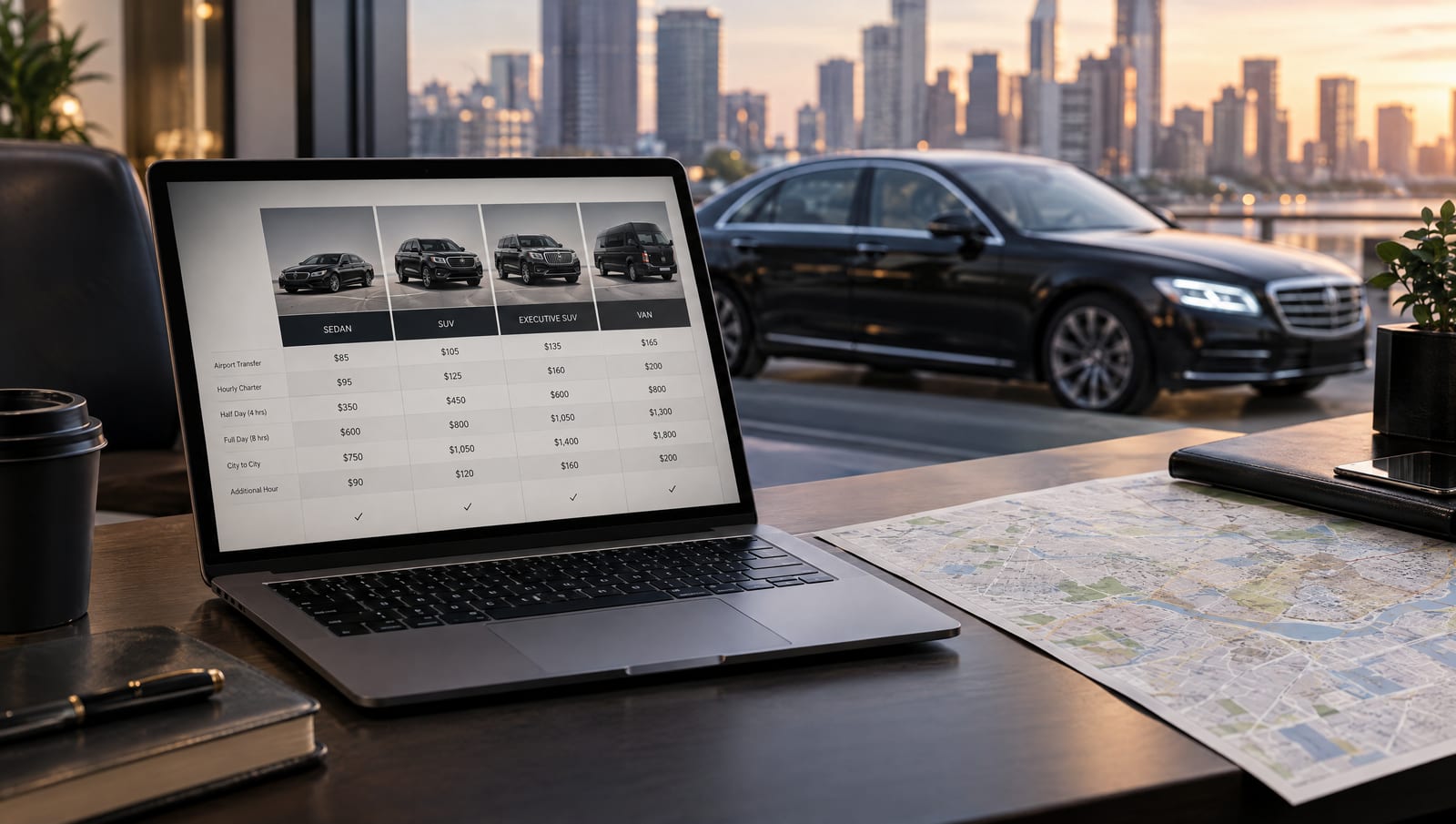
Quick answer: Limo companies create dynamic rate cards by segmenting their market (corporate, weddings, airport transfers), then setting rates that adjust for demand, time of day, location, and local events. Start with market research, define pricing rules for each segment and service zone, and use booking or dispatch software to update rates automatically. Review the results regularly and refine the rules so pricing stays fair and competitive in every market you serve.
Creating dynamic rate cards for limo companies involves more than just adjusting prices based on demand or location. It’s about understanding the market, leveraging technology, and ensuring customer satisfaction. In this article, we will explore how limo companies can effectively set up dynamic rate cards to cater to different markets, using pricing optimization tools, and enhance their limo service rates.
Dynamic rate cards are crucial for limo companies aiming to stay competitive. Unlike static pricing, dynamic pricing allows companies to adjust their rates based on various factors such as demand, time, location, and competition. This flexibility can help maximize revenue and improve customer satisfaction by offering competitive and fair pricing.
Why do market differences affect limo pricing?
Each market has unique characteristics that affect pricing. For example, a limo service in a bustling city might face different demand patterns compared to one in a suburban area. Therefore, understanding these differences is essential for creating effective dynamic rate cards.
Factors such as local events, peak travel times, and even weather conditions can influence demand for limo services. By analyzing these factors, companies can adjust their pricing strategies to better meet the needs of each market.
How do pricing optimization tools help?
Pricing optimization tools are software solutions that help businesses determine effective pricing strategies. For limo companies, these tools can be valuable in creating dynamic rate cards, and many of the same capabilities live inside modern limo dispatch and booking software. Here’s how they work:
Analyzing Data for Informed Decisions
Pricing optimization tools collect and analyze data from various sources, including historical pricing data, competitor rates, and market trends. This data-driven approach allows limo companies to make informed pricing decisions that reflect current market conditions.
Automating Price Adjustments
One of the significant advantages of using pricing optimization tools is automation. These tools can automatically adjust rates based on predefined rules and algorithms. This means that limo companies can respond quickly to changes in demand or market conditions without manual intervention. Software built for operators, including LimoFlow, can apply dynamic and zone pricing rules during online booking, so quotes reflect current conditions without a dispatcher rekeying numbers. If you want to test different rule sets against your own routes, you can book a demo.
Enhancing Customer Experience
Dynamic pricing isn’t just about maximizing revenue; it’s also about enhancing the customer experience. By offering competitive rates and ensuring transparency in pricing, limo companies can build trust with their customers. Pricing optimization tools can help achieve this balance by providing insights into customer preferences and pricing sensitivities.
What are the steps to create dynamic rate cards?
Creating dynamic rate cards involves several steps, each crucial to ensuring that the pricing strategy aligns with market needs and business goals.
Step 1: Market Research and Analysis
Before setting up dynamic rate cards, it’s essential to conduct thorough market research. This involves understanding the target market, identifying competitors, and analyzing factors that affect demand for limo services. By gathering this information, limo companies can tailor their pricing strategies to meet specific market needs.
Step 2: Segmentation and Customization
Market segmentation is the process of dividing a market into distinct groups of customers with similar needs or characteristics. For limo companies, this could mean creating different rate cards for corporate accounts, wedding services, airport transfers, and other specific services. Customizing rates for each segment ensures that pricing aligns with customer expectations and market conditions.
Step 3: Setting Pricing Rules and Algorithms
Once the market is segmented, the next step is to set pricing rules and algorithms. These rules will dictate how rates are adjusted based on various factors such as time of day, location, demand, and competition. A common approach is zone pricing, where rates are set by geographic area rather than by the mile. Pricing optimization tools can be used to automate this process, ensuring that rates are updated based on current conditions.
Step 4: Continuous Monitoring and Adjustment
Dynamic pricing is not a one-time setup; it requires continuous monitoring and adjustment. Limo companies should regularly review their pricing strategies to ensure they remain competitive and aligned with market trends. This involves analyzing data from pricing optimization tools and making necessary adjustments to pricing rules and algorithms.
What are the benefits of dynamic rate cards?
Implementing dynamic rate cards offers several benefits for limo companies:
- Increased Revenue: By adjusting rates based on demand and market conditions, limo companies can maximize their revenue potential.
- Competitive Advantage: Dynamic pricing allows companies to stay competitive by offering rates that reflect current market conditions.
- Improved Customer Satisfaction: Transparent and fair pricing enhances the customer experience, leading to increased customer loyalty.
- Operational Efficiency: Automation reduces the need for manual price adjustments, allowing companies to focus on other aspects of their business.
What are the challenges of dynamic pricing?
While dynamic pricing offers many benefits, it also presents challenges that limo companies must consider:
- Complexity: Setting up dynamic rate cards can be complex, requiring a deep understanding of market dynamics and pricing strategies.
- Customer Perception: Frequent price changes may lead to customer confusion or dissatisfaction if not communicated effectively.
- Technology Costs: Implementing pricing optimization tools involves costs, which may be a barrier for smaller limo companies.
Frequently Asked Questions
What is a dynamic rate card for a limo company?
A dynamic rate card is a pricing structure that changes based on factors like demand, time of day, location, and service type, instead of using one fixed price for every trip. It lets a limo company charge different rates for a corporate airport run versus a weekend wedding, for example. The goal is to keep pricing fair and competitive while reflecting real conditions in each market.
How is zone pricing different from per-mile pricing?
Zone pricing sets a flat rate between defined geographic areas, such as a fixed fare from downtown to the airport, while per-mile pricing calculates the fare from the actual distance traveled. Zone pricing gives customers a predictable quote up front and is easy to standardize across a market. Many operators combine both approaches, using zones for common routes and per-mile or hourly rates for custom trips.
Do I need special software to run dynamic rate cards?
You do not strictly need it, but software makes dynamic pricing far more practical because rates can update automatically instead of being changed by hand. Booking and dispatch platforms can apply pricing rules by segment, zone, and time, and surface the right rate at the moment a customer books. You can compare options in a software directory to find a tool that fits your fleet size.
How often should I review my rate cards?
Dynamic pricing is not a set-and-forget task, so most operators review their rate cards on a regular schedule and after major shifts in demand, such as a busy event season or a change in local competition. Regular reviews help you catch rates that are too high and losing bookings, or too low and leaving revenue on the table. Even a monthly check on your booking data can reveal where a rule needs adjusting.
Will frequent price changes upset customers?
They can if the changes feel arbitrary or are poorly communicated, so transparency matters. Show customers a clear quote before they book and explain what drives the rate, such as peak times or airport zones. Consistent, well-communicated pricing tends to build trust rather than erode it.
Conclusion
Dynamic rate cards are a useful tool for limo companies looking to optimize their pricing strategies and enhance their service offerings. By leveraging pricing optimization tools and understanding market dynamics, companies can create flexible and competitive rate cards that cater to the needs of different markets. While challenges exist, the benefits of increased revenue, improved customer satisfaction, and competitive positioning make dynamic pricing worth considering. To see how zone and dynamic pricing can work for your fleet, book a LimoFlow demo.
🚀 Want More Bookings?
LimoFlow is limo software that helps you attract leads, manage bookings, dispatch drivers, and grow your business.
Visit Homepage📱 Sign Up For Our Limo Marketing Newsletter
Sign up for SMS updates on strategies and tips to increase bookings.